This information comes from CEI’s previous website. We review and update these materials in stages.
REACH OUT (2023-2-TR01-KA220-SCH-000170175) is an Erasmus+ project on building trauma-sensitive school environments. It addresses the need for a supportive education framework after natural disasters. It seeks to strengthen school resilience and psychosocial response by incorporating appropriate practices into school curricula. The aim is to give teachers the knowledge and tools to support pupils’ emotional and psychological well-being so that they can recover and learn. A professional network makes it possible to share experience and plan responses together. A common education framework supports consistency across schools.
Objectives
• Integrate psychosocial support into education curricula to aid recovery after disasters.
• Develop a platform where teachers can share knowledge and experience of responding to trauma in education settings.
• Build a professional network that supports resilience and shared learning.
Project outputs
• A classroom activity guide with practical psychosocial support activities teachers can use with pupils affected by trauma.
• Training modules that help teachers understand trauma and adapt their classroom practice to pupils’ psychosocial needs.
• A guide to curriculum analysis and educational partnerships, with practical ways to integrate psychosocial support into school programmes.
• An online collaboration platform where teachers can share resources, ideas and approaches.
Expected outcomes
Teachers will have better tools to address psychosocial needs in the classroom. Pupils will receive more consistent support during recovery. School communities will be better equipped to respond to the effects of disasters through collaboration and shared learning.
Partners
• Istanbul Valiligi, Türkiye, coordinates the project and links it to local policy. • VKV Koç Özel Okulu, Türkiye, contributes to curriculum design and teacher training. • Inspectoratul Școlar Județean Teleorman, Romania, applies the project guidance in regional schools. • University of Thessaly, Greece, provides research support and evaluates impact. • Eyyübiye District Directorate of National Education, Türkiye, focuses on applying the approach in schools in disaster-prone regions. • Center for Educational Initiatives, Bulgaria, supports dissemination and use of the results. • Bahçeşehir University Foundation, Türkiye, contributes to content development and technical support for the platforms.
Psychosocial support in the classroom – REACH OUT (opens in a new tab)
A Bulgarian-language learning platform, a guide for teachers and activities piloted in music lessons in Pernik.
REACH OUT newsletter no. 1 (Bulgarian)
A resource from the REACH OUT project.
ExploreREACH OUT project brochure (Bulgarian)
A resource from the REACH OUT project.
ExploreREACH OUT project brochure (Bulgarian)
A resource from the REACH OUT project.
ExploreREACH OUT comparative curriculum analysis (Bulgarian)
A resource from the REACH OUT project.
ExploreGuide to planning and delivering psychosocial support activities (Bulgarian)
A resource from the REACH OUT project.
ExploreREACH OUT newsletter no. 3 (Bulgarian)
A resource from the REACH OUT project.
ExploreREACH OUT newsletter no. 4 (Bulgarian)
A resource from the REACH OUT project.
ExploreWhat schools can use after REACH OUT ends
A learning platform, a guide and examples from Pernik help teachers build psychosocial support into lessons.
ExploreNational REACH OUT event in Pernik
Bulgaria’s REACH OUT event took place on 28 May 2026 at Aleko Konstantinov Primary School No. 10 in Pernik.
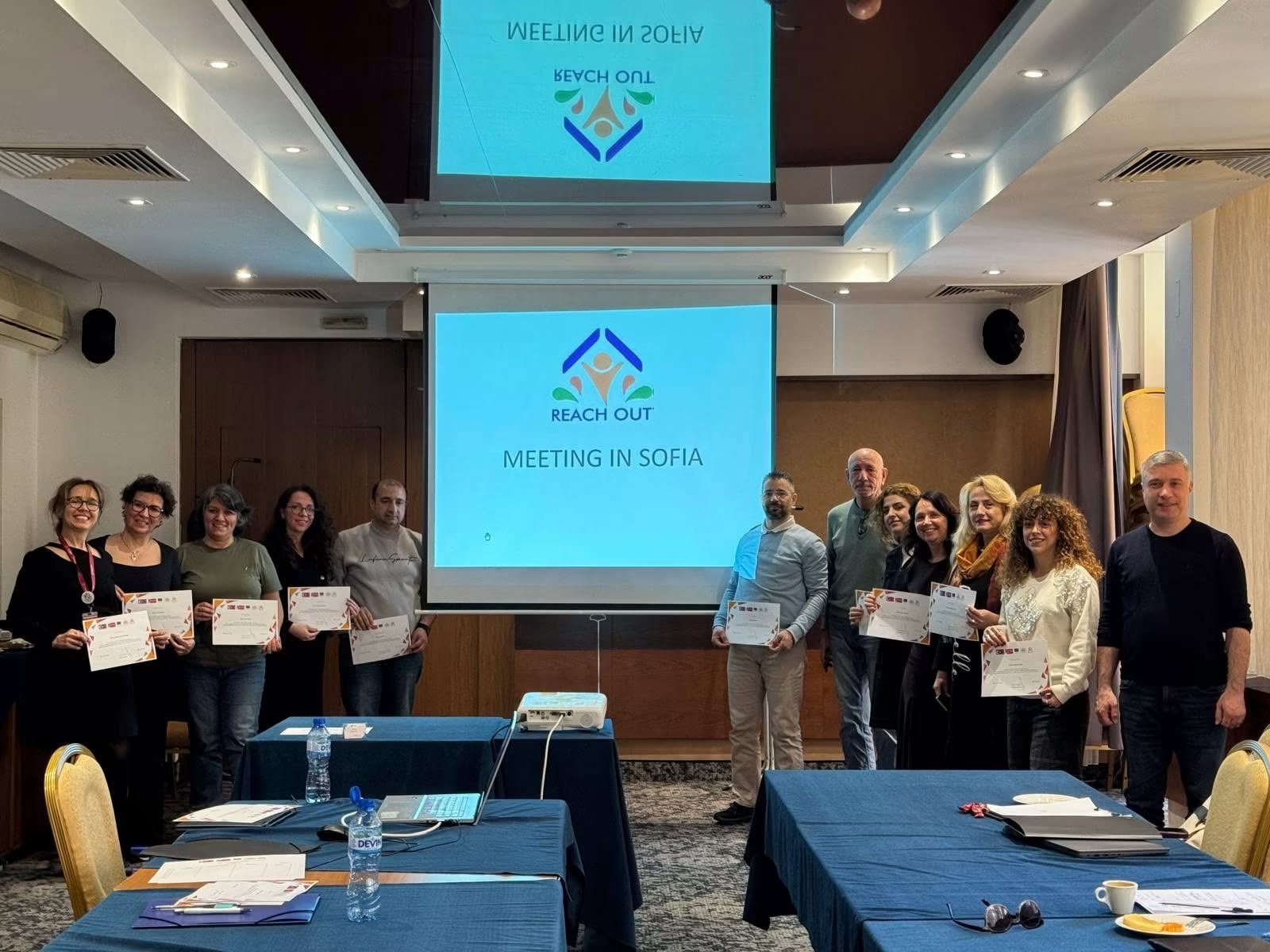
ExplorePhoto from the REACH OUT project.Project news · REACH OUT11 April 2026Final REACH OUT partner meeting in Sofia
The Center for Educational Initiatives hosted the closing meeting of the international REACH OUT partnership.
ExplorePiloting REACH OUT activities at a school in Pernik
Pupils at Aleko Konstantinov Primary School No. 10 took part in activities that used music to express emotions.
ExploreREACH OUT partners meet in Teleorman
The third international project meeting took place in Romania in September 2025.
Explore